
Personalized care
Support with activities of daily living can include bathing, dressing, grooming, toileting, mobility, meals, and reminders—matched to assessed needs and a living care plan.
Choosing care is rarely a single, simple decision. Gracious Living Adult Family Home is intended for families seeking a calmer, more personal setting—where preferences, routines, and dignity belong in the conversation.
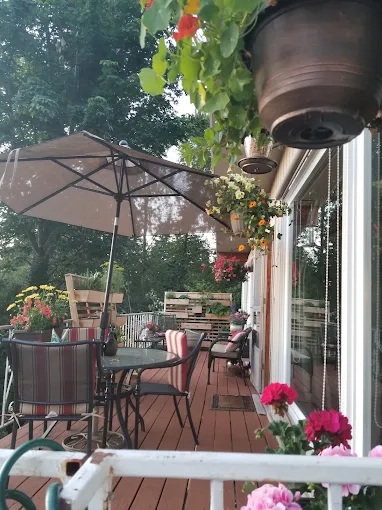
An adult family home has a residential scale. The operator describes Gracious Living as a six-resident Washington Adult Family Home, license 752772. That smaller setting can create more opportunities for familiar faces, consistent cues, and a daily rhythm that feels less institutional.
It does not mean every person will be a fit. It means families can ask a focused question: could a smaller home provide the right level of support while preserving dignity and connection? Confirm current licensing, capacity, and services directly before relying on any listing.
Explore assisted living →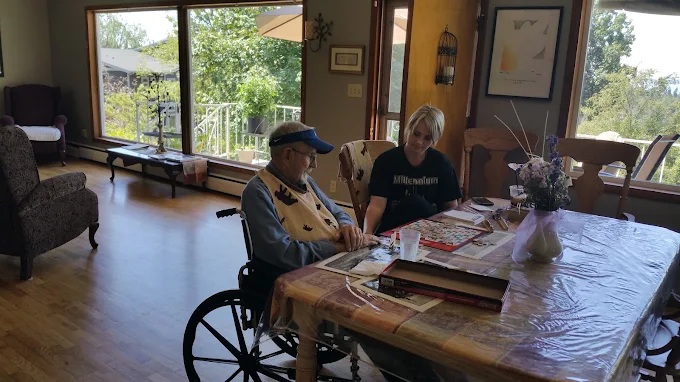
Support with activities of daily living can include bathing, dressing, grooming, toileting, mobility, meals, and reminders—matched to assessed needs and a living care plan.
For Alzheimer’s disease and other dementias, familiar rooms, unhurried transitions, gentle cues, and meaningful engagement can make the day more understandable.
Meals, conversation, gardening, rest, and connection are part of a residential rhythm designed to feel like life—not a campus schedule.
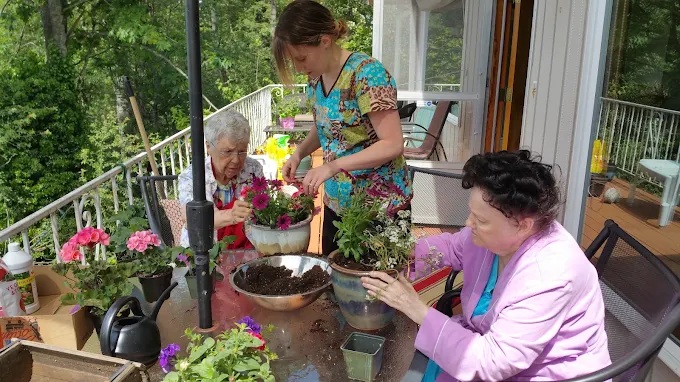
Food is part of care and part of home. Activities do not need to resemble a formal program to be meaningful—conversation, music, familiar tasks, time outdoors, and rest all belong. Families can ask how preferences are documented and how the household balances shared life with privacy.
Call or email for a warm, direct conversation about care fit, availability, medication support, respite, and current rates. You do not need every detail figured out before you reach out.