Personal care
Depending on assessed needs, support may include bathing, dressing, grooming, oral care, toileting, and continence care—with privacy, notice, and time to participate.
Assisted living can mean reminders, cueing, supervision, or hands-on help with bathing, dressing, mobility, meals, and more. The purpose is not to remove every choice; it is to make daily life possible with dignity.
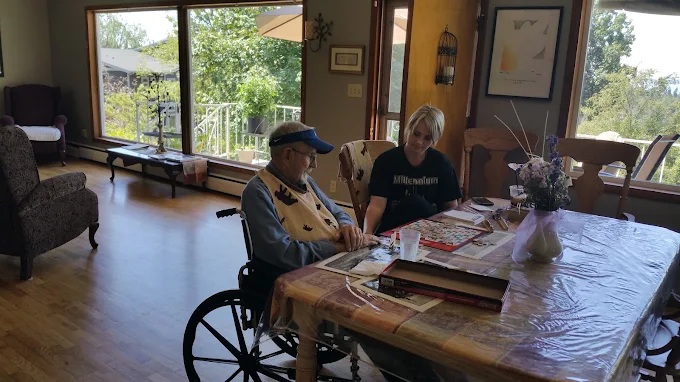
Depending on assessed needs, support may include bathing, dressing, grooming, oral care, toileting, and continence care—with privacy, notice, and time to participate.
Walkers, wheelchairs, or transfer aids may be part of a safe routine. Ask how falls, fatigue, pain, and balance changes are noticed and communicated.
Appetite, swallowing, texture, preferences, allergies, and fluid intake all matter. A calm residential rhythm can make changes easier to notice.
Medication support can range from reminders and observation to assistance or management under applicable requirements and the home’s policies. The exact scope should never be assumed from a website description.
Families should ask how prescriptions are received, how orders are verified, how medications are stored and documented, how refills are requested, and how changes from a prescriber are communicated. Final wording must reflect current policies—confirm directly.
Needs may increase after illness, injury, cognitive change, or mobility loss. Ask what the home can safely support now, what monitoring is available, and what circumstances would require a different setting. Honest boundaries are part of compassionate care.
Respite may give a family caregiver time to rest, travel, or evaluate residential care. Availability can change—call to ask about current openings, required information, and fit.